
A labelled catalogue
Event, date, location, person, department, project, media type, creator, keywords and rights — a record, not a pile of drives.

Intelligent Digital Asset Management and Institutional Memory System
A labelled library for photographs, video and audio. Organise your media, publish a preview, and let colleagues request the original.
An interactive walkthrough of how STUMMIS works · about four minutes · with sound
The problem
Organisations produce thousands of photographs, interviews, event recordings and raw production files. Finding a particular moment later is the hard part.
STUMMIS turns stored media into a searchable library.

About
STUMMIS is a developing platform for cataloguing and searching photographs, video and audio. Each file sits beside its date, event, location, people, project, department, rights and usage.
Speech in recordings is written down with times, so a search can open the moment that was said. A question can also be compared with the picture itself, after you allow it.
Members of an institution share their institution's library. Independent creatives have a library of their own, publish previews, and request originals from each other. Nobody outside STUMMIS can browse or request.
How it works

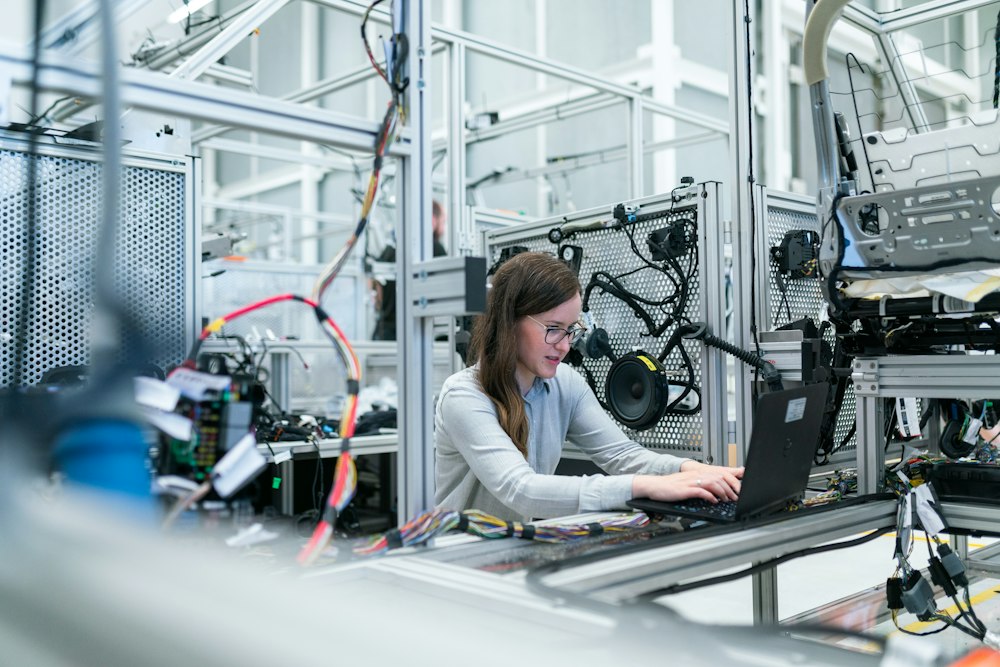

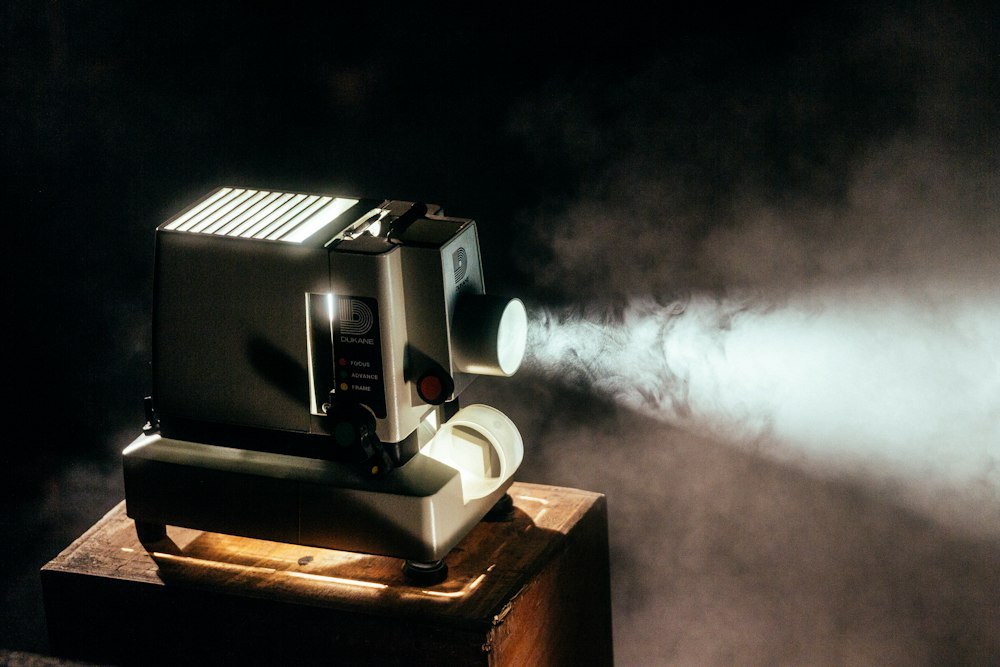
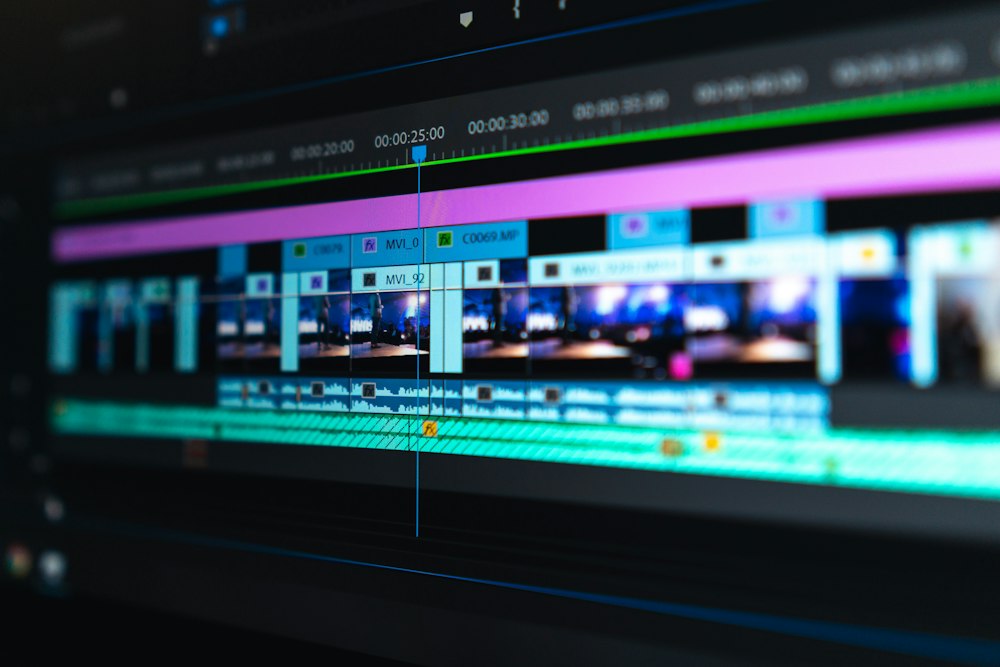
Catalogue photographs, video and audio with event, date, location, project, department, people and rights.
Speech is written down with times. A question can also be compared with the picture itself. Faces can be named. Each of these waits until you allow it.
Search your library and published work by place, people, event, labels and words that were spoken.
Search for a phrase and open the recording at that minute, instead of scrubbing the whole file.
Preview on Explore. Request access. The owner approves. Then the original can be downloaded.
Capabilities
Event, date, location, person, department, project, media type, creator, keywords and rights — a record, not a pile of drives.
Put a preview on Explore so colleagues in the institution can find the work. The original stays with you until you approve a download.

Name faces across stills and clips so a search for a person can reach the files they appear in.

Keep ownership, notes and who may use the file with the asset — reuse is a decision, not an accident.
Index long interviews and events so the useful stretch is a timestamp, not a 45-minute scrub.
Time-aligned transcripts make spoken topics searchable.
Ask the archive the way you would ask a colleague, even when the words do not match exactly.
A question is compared with the picture itself, so a scene can be found even when the filename and the transcript never say those words.
Who it is for


Why STUMMIS
Less time browsing folders and scrubbing long recordings.
Consistent metadata instead of tribal knowledge.
Existing material can be found for the next production.
The archive does not leave when a staff member does.
A structured record of collections and their context.
Speech is indexed now. Scene descriptions can be added when a vision model is connected.
Packages
Yearly prices in Ghana cedis. You ask for a package, we send an invoice, and you pay it by bank transfer or however the invoice says. This website does not take a card payment. When the invoice is paid, we open the library and invite the people named on it.
Package
GH₵1,680each year
One person, for their own photographs, video and sound. Publish previews and request originals from other creatives on STUMMIS.
Package
GH₵6,850each year
A small group who work together, such as a production crew.
Package
GH₵27,960each year
One team inside a university, office, museum or newsroom. For example, one media office.
For a whole institution
GH₵111,850each year
A whole institution, with several teams on one library. For example, a university where the relations office, a campus television station and a college media team can all find shared work.
Questions
Short answers to what people ask first. Anything else, ask us when you request a package.
Ask for a packageA year of STUMMIS. You are not paying for hard disks, and you are not paying for the photographs and recordings. Those stay yours, or your institution's.
You ask for a package, we send an invoice, and you pay it by bank transfer or however the invoice says. This website does not take a card payment. When the invoice is paid, we open the library and invite the people named on it.
Usually the file stays on your computer, or on a disk the institution already has. STUMMIS remembers it and keeps a small picture so people can find it. Playing the full file needs that disk to be connected. The other way is to upload a copy. We then keep that copy, up to the amount named in the package.
A team is a group inside one institution who share work. A campus television station is one team. The university relations office is another. People in the same team can see that team's files. People in a different team see a file only when you choose to share it with the whole institution.
Each package includes hours of recording that we write out as text, so you can search for something that was said. We only do this after you allow it. More hours are GH₵1,170 for each extra 50 hours.
Yes. Anyone on a Personal package can publish a preview of their work. Another creative on STUMMIS can find it and ask for the original, and the owner decides. Institutions work the same way inside their own library. Nobody outside STUMMIS can browse or request.
For Unit, getting started is GH₵5,830, paid once, for installing STUMMIS and showing the team how to use it. A first trial does not pay this. For Campus, installing it, showing the teams how to use it and answering questions for the year are included.
Yes. Each team after the first eight is GH₵9,320 a year.
A file that stays on your own disk is not charged by the gigabyte. If we agree to keep full copies for you beyond the upload amounts in the package, that is GH₵120 a month for each terabyte we actually store.
They follow the Bank of Ghana mid rate of GH₵11.65 to the US dollar on 29 October 2026, rounded to the nearest 10 cedis. Tell us if a figure should change before we send an invoice.
The privacy policy says what we keep about you and your files. The terms say what you are agreeing to when you take a package. Both are linked at the foot of this page.

The vision
Make audiovisual collections searchable, accessible and useful. Discover what your archive already knows.